The Psychology Behind Effective Website Design
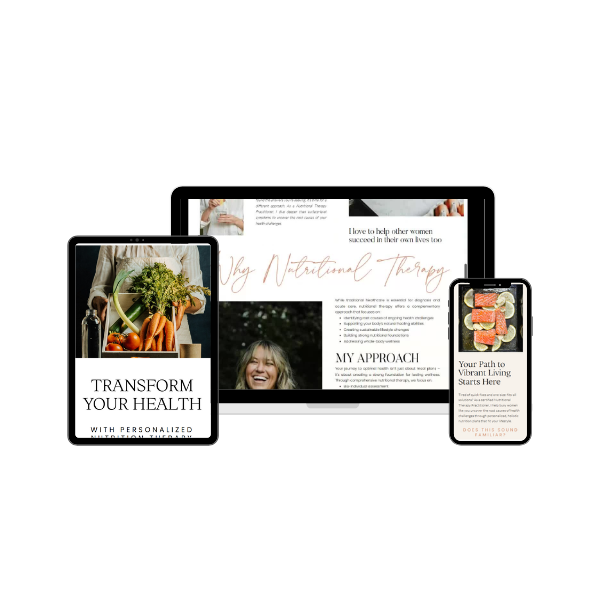
In the world of luxury service-based businesses, your website isn’t just a digital storefront—it’s a psychological journey that can make or break client connections. Let’s dive into the fascinating website design psychology and color psychology that drives effective website design and influences your visitors’ decisions. Understanding website design psychology is crucial for creating a site that resonates with users.
First Impressions Happen in Milliseconds
Did you know that visitors form their first impression of your website in just 0.05 seconds? This split-second judgment determines whether they’ll stay or bounce. Here’s what triggers positive psychological responses:
- Clean, organized layouts that reduce cognitive load
- Strategic use of white space for mental breathing room
- Consistent branding that builds trust
- Professional imagery that resonates with your ideal client
Color Psychology in Luxury Design
Colors aren’t just aesthetic choices—they’re powerful emotional triggers:
- Deep blues: Trust and professionalism
- Soft neutrals: Sophistication and elegance
- Strategic pops of color: Emotional engagement
- Consistent palette: Brand recognition and memory
The Psychology of Navigation
Your website’s navigation should mirror how your clients think and incorporate principles of website design psychology:
- Clear hierarchy that matches decision-making patterns
- Intuitive pathways that reduce decision fatigue
- Strategic CTAs placed at psychological trigger points
- Breadcrumb trails that create security
Visual Hierarchy and Decision Making
The human brain processes visual information in a specific order as part of website design psychology and color psychology:
- Size and scale differences
- Color contrast
- Movement and animation
- Spatial relationships
- Typography hierarchy
Trust Signals and Social Proof
We’re hardwired to look for social validation, which is a key component of website design psychology:
- Testimonials positioned at decision points
- Awards and credentials displayed strategically
- Social proof integrated naturally into the user journey
- Trust badges placed where security concerns are highest
The Power of Storytelling Elements
Our brains are designed to remember stories, which plays a crucial role in website design psychology:
- Visual narratives that guide users
- Personal brand elements that create connection
- Journey-based layouts that keep users engaged
- Emotional triggers through imagery and copy
Loading Speed and Psychological Satisfaction
Speed isn’t just technical—it’s psychological:
- Fast loading reduces anxiety
- Smooth transitions create pleasure
- Progress indicators provide certainty
- Quick responses build trust
Mobile Experience and Emotional Response
Mobile design triggers specific psychological responses, which is an essential aspect of website design psychology:
- Touch-friendly elements create satisfaction
- Responsive design builds confidence
- Thumb-zone optimization reduces frustration
- Mobile-first approach shows understanding
Implementing Psychology in Your Design
To create a psychologically effective website that leverages website design psychology and color psychology:
- Start with user journey mapping
- Implement strategic visual hierarchies
- Use color psychology intentionally
- Place CTAs at emotional peaks
- Test and measure emotional responses
The Bottom Line
Understanding website psychology isn’t just about making things look pretty—it’s about creating an experience that resonates deeply with your ideal clients and guides them naturally toward working with you.
Would you like me to continue with the next blog post about “How to Write Converting Website Copy”? Each blog will be tailored to your brand voice and target audience of female entrepreneurs.
Leave a Reply

© 2024 Petal & Bloom Tech Marketing | All Rights Reserved
